By Buchanan Maldonado
House Republicans Pass Narrow Health Care Package, But Key Subsidies Left Out
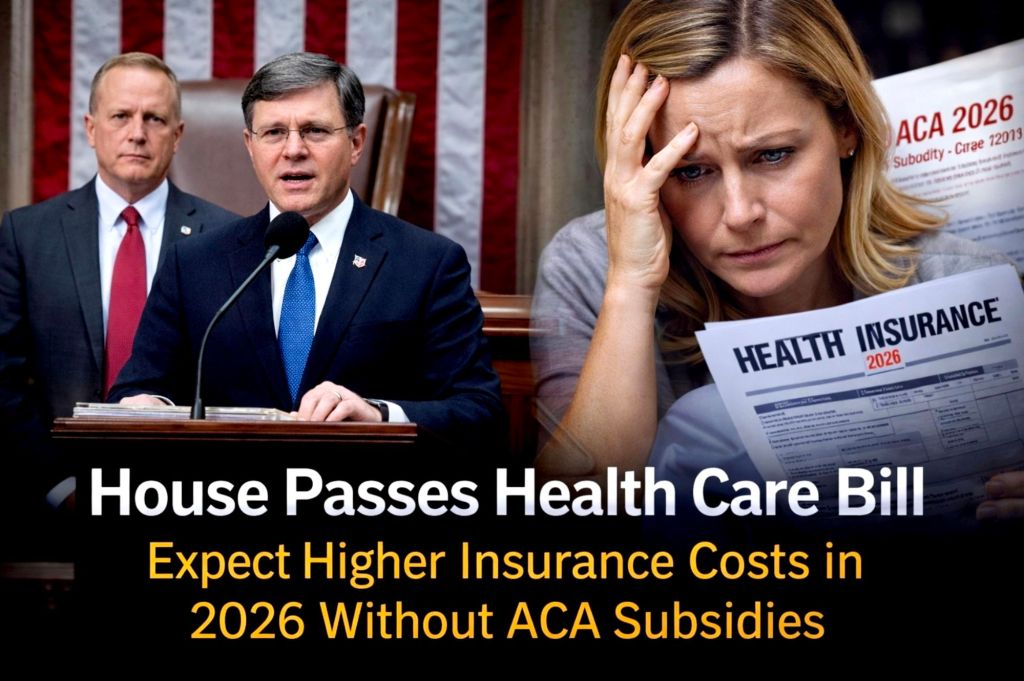
In mid-December 2025, the U.S. House of Representatives voted largely along party lines (216-211) to approve a narrow Republican-led health care package aimed at lowering some health care costs for Americans in the coming years. The measure is being pitched by GOP leaders as a step toward broader affordability reforms, but it notably does not extend enhanced Affordable Care Act (ACA) premium subsidies that are set to expire December 31, 2025. As a result, many experts say it does too little to address an immediate spike in insurance costs that could hit millions early in 2026.
Below is a clear look at the pros and cons of this legislative moment.
What the Republican Health Care Package Actually Does
The House GOP bill focuses on broader structural changes rather than renewing existing subsidies. Key components include:
• Expanding coverage options
The bill promotes alternative insurance arrangements such as association health plans and individual health reimbursement arrangements, which Republicans argue will increase choice and lower costs for small business owners and self-employed people.
• Increasing transparency in prescription costs
It seeks tighter reporting requirements on pharmacy benefit managers to help employers better manage drug costs.
• Cost-sharing reduction payments (future subsidies)
The plan allocates for future cost-sharing subsidies starting in 2027 that aim to reduce out-of-pocket costs for lower-income enrollees, although these do not directly address 2026 premiums.
Leaders like Speaker Mike Johnson argue the package creates long-term alternatives to “relying on one system” and could reduce premiums across markets.
Pros of the GOP Approach
1. Long-term cost-control focus
Supporters say the bill moves beyond short-term subsidies and toward structural reforms that could reduce health care costs for a broader group over time.
2. Increased market choice
By promoting association plans and new reimbursement tools, the package could allow certain employers and individuals more flexibility in selecting coverage.
3. Fiscal discipline
Some Republicans view extended subsidies as overly costly and prefer market-oriented reforms that limit federal spending growth.
Cons — and Why Critics Say It Falls Short
1. No extension of enhanced ACA subsidies
Perhaps the biggest concern is that the bill does not extend enhanced premium tax credits that have helped millions afford marketplace insurance. Those temporary subsidies, enacted during the pandemic and later extended, are scheduled to expire on December 31, 2025.
Without extension, analysts project that average marketplace premiums could more than double in 2026, increasing from around $888 to roughly $1,900 per year for many enrollees. Higher rates could disproportionately hurt middle-income Americans who now lose subsidy eligibility and low-income households that saw minimal premiums this year.
2. Political and real-world backlash
Moderate Republicans from swing districts have openly criticized leadership’s refusal to bring a subsidy extension to the floor and joined Democrats in an effort to force a vote on extending them.
3. Immediate affordability crisis ignored
While the GOP plan may address certain costs down the road, it doesn’t avert an immediate spike in premiums that could begin January 1, 2026 — before the Senate takes up any legislation and long after the annual enrollment period closes.
4. Risk of uninsured and coverage losses
Experts warn that premium increases will push some people out of the insurance market, potentially leading to higher uninsured rates and less stable risk pools — effects that could ripple through the broader health care system.
What Happens Next
The House plan now heads to the Senate, where its fate is uncertain. Senate leaders from both parties have expressed interest in negotiating a separate deal to extend subsidies — possibly for two years — and some moderate lawmakers see the House bill as a starting point for talks. However, there’s no guarantee any extension will pass before premiums rise.
Millions of Americans, particularly those who buy insurance on Healthcare.gov or state exchanges, will be closely watching how Congress acts (or doesn’t) in the coming weeks to prevent steep cost increases.
Bottom Line
The House Republican health care vote is a political win for leadership but a partial answer to the nation’s health care cost challenges. It lays out future reforms and market options, but it leaves unresolved a pressing, near-term problem: the looming end of enhanced ACA subsidies that helped make coverage affordable for tens of millions. Unless Congress intervenes by the end of the year, many Americans are likely to see higher premiums and financial strain in 2026.
If this issue affects you or your family, I’d love to hear your thoughts — leave a comment below and join the conversation. With potential changes to ACA subsidies and rising health insurance costs on the horizon, having the right guidance matters more than ever. If you have questions about your current coverage, upcoming premium increases, or want to explore alternative health insurance options, I’m here to help. You can easily connect with me and request a personalized review at Quote.BuchananMaldonado.com, where I work with multiple top-rated carriers to help you find coverage that fits your needs and budget.
 Buchanan Maldonado