By Buchanan Maldonado
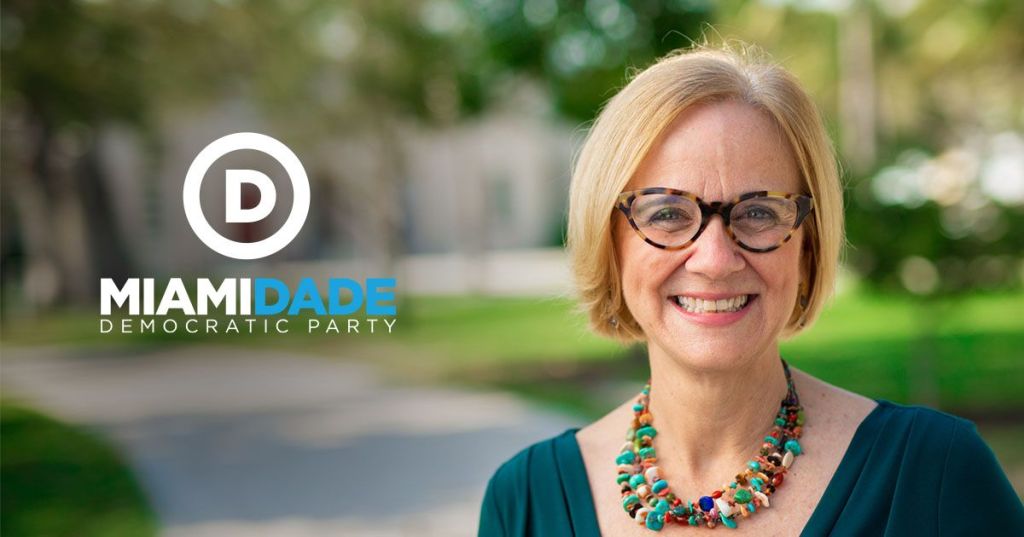
Eileen Higgins just won election as Miami’s first woman mayor and the first Democrat to hold the post in nearly three decades, ending roughly 28–30 years of control by the Republican-aligned party at City Hall.
Higgins has said she intends to make the mayor position effectively “full-time,” rather than part-time, signaling a more active role.
Her campaign emphasized improving city services, tackling affordability issues (notably housing affordability), and improving environmental resilience and infrastructure — including possibly streamlining permitting, environmental protections, and city operations.
Observers frame the win as part of a broader political and demographic shift in Miami — a sign that voters are increasingly concerned with cost-of-living pressures, housing affordability, and quality of local government.
Given that background, here’s how this could reshape real estate and insurance dynamics in Miami.
📉 Potential Impacts on Miami Real Estate Market
• Pressure toward affordability and regulatory change
Because Higgins emphasized housing affordability in her campaign, her administration may push for policies aimed at creating or preserving more affordable housing (for example, rent stabilization, subsidized housing, or reforms to zoning and permitting). This might slow appreciation, especially in high-end or luxury segments, or shift demand toward mid-tier and more modest housing.
If such policies succeed, more mid-range buyers — including locals and middle-income households — might re-enter the market. That could stabilize demand in those segments, even if luxury demand cools.
• Slowdown or correction, especially in risk-prone or high-cost segments
The real-estate market in Miami is already showing signs of cooling. According to a recent overview, median home values declined about 3.2% year-over-year, and many neighborhoods have more inventory and longer days on market.
Rising costs — including insurance premiums and climate-risk exposure (flood, hurricanes, sea-level rise) — have been identified by agents as a major headwind to sales.
Under a mayor who may emphasize resilience, regulation, and scrutiny of development (especially in high-risk coastal zones), some buyers/investors may view certain properties (older buildings, low-lying areas) as less attractive — dampening demand or leading to price corrections.
• Shift in investor and buyer demographics
A change in political leadership — toward a more progressive, affordability- and resilience-focused approach — might attract different types of buyers and investors. For example: local buyers, first-time homeowners, and people interested in long-term stability rather than speculative luxury investment.
Conversely, some out-of-state or foreign investors for whom regulatory or insurance-cost uncertainties are a concern might slow acquisition, especially in properties vulnerable to flooding or requiring expensive upgrades.
• Risk of increased regulation or “value-capture” mechanisms for redevelopment
If the new administration seeks to fund infrastructure improvements, environmental resilience, or housing subsidies, it may deploy tools like tax-increment financing (TIF) or new fees, which could influence neighborhood-level real estate values. (TIF or similar mechanisms tend to steer private investment toward parts of the city designated for redevelopment.)
That could lead to gentrification pressure in some neighborhoods — but also could depress value growth in low-lying or high-risk zones if developers avoid them.
• Longer-term: Differentiation between “safe” vs “risk-prone” real estate
As climate risks (flooding, sea-level rise, hurricanes) remain central — and possibly become more regulated under the new mayor — properties at higher elevations or with resilient infrastructure may become more desirable. That could accelerate a phenomenon often discussed as “climate gentrification.”
Over time, we may see bifurcation: “premium resilience properties” retain or gain value, while “at-risk” properties see value compression, higher carrying costs, or reduced demand.
🛡️ Impacts on Homeowners Insurance Premiums & Risk Landscape
• Continued upward pressure on premiums — regardless of political leadership
Miami already leads U.S. cities in high homeowner insurance costs: many residents pay significantly more than the national average.
Given ongoing climate threats — sea-level rise, hurricanes, increasing flood risk — insurers remain exposed. Exposures of this scale are unlikely to be reversed quickly even with better local governance.
For many homeowners, the added costs of flood insurance, high deductibles (often a percentage of dwelling value), and limited availability will continue to make owning property increasingly expensive.
• Potential stabilization or modest relief via regulatory or policy reforms
If the new mayor’s administration focuses on improving environmental resilience (stormwater systems, drainage, sea-level mitigation, permitting reforms), that could reduce long-term risk exposure — which might, in turn, help insurers justify somewhat lower premiums or at least slow rate hikes. Her campaign signals such a focus.
On the state level, there are already signs of efforts to stabilize property insurance: recent reforms intended to attract insurers back into Florida’s market have led to some rate decreases for policyholders.
Those measures may create a more favorable climate for insurance, but only if they coincide with strong risk mitigation (e.g., updated building codes, flood mitigation, stricter zoning in flood-prone zones).
• Insurance-driven value differentiation and risk-adjusted pricing becoming central
As insurers price risk more accurately, properties in low-risk areas (higher elevation, better drainage, more resilient construction) may see lower premiums and thus maintain higher net value.
Conversely, older homes, buildings in flood- or storm-prone zones, or units in older condos (especially those without modern upgrades) may become less insurable or extremely expensive to insure — lowering their attractiveness to buyers. This could accelerate inequities and push lower-income or long-time residents out, particularly if insurance becomes unaffordable.
• Impact on condo and multi-unit buildings — heightened scrutiny and potential markdowns
Given that insurance costs are a major driver of operating expenses for condos and multifamily buildings, there could be pressure for increased HOA/condo assessments, declines in resale value, or difficulty in obtaining financing. This applies especially to older buildings lacking resilience upgrades. This matches broader trends across Florida.
Such tough conditions may prompt building-by-building decisions: some owners may sell or redevelop, others may invest in upgrades (e.g., flood mitigation, waterproofing), while some buildings may become less viable as residences — with possible conversions or demolitions over time.
🎯 What This Means for Buyers, Sellers, and Investors — Strategic Considerations
If you are a buyer: This may be a time to be selective — prioritize properties in higher-elevation, lower-risk areas or those built/renovated to modern resilience standards. Factor in realistic ongoing insurance premiums and potential increases.
If you are a seller or investor (especially long-term): Now may be a good time to reposition — move away from older, storm-prone properties or prepare for increased maintenance, mitigation, and insurance costs. Consider the “resilience premium”: properties in safer areas may gain premium value in coming years, while risk-exposed assets may lose value.
If you are a real-estate developer / landlord: There may be opportunities — but also risks. Infrastructure or regulatory reforms under the new administration could favor sustainable and resilient development, but older or marginal properties may face headwinds.
If you are an insurer or policymaker: This is a moment to push for durable reforms — building-code upgrades, flood mitigation, better zoning, transparency in risk, and resilient infrastructure. Those moves can help stabilize the insurance pool and reduce long-term losses.
Why Professional Guidance Matters Now More Than Ever
As Miami enters a new era of political leadership, the real estate landscape and insurance market are likely to evolve in ways that will directly impact homeowners, investors, and anyone holding valuable property assets. With potential shifts in affordability initiatives, zoning priorities, climate-resilience planning, and ongoing volatility in homeowners insurance premiums, navigating these changes alone can be overwhelming.
This is exactly why partnering with an experienced insurance professional is essential. Evaluating risk, comparing coverage across hundreds of carriers, and ensuring that your property or business remains properly protected requires expertise—especially in a high-exposure market like South Florida. From safeguarding your home against rising premiums to ensuring your investment properties remain insurable, the right guidance can protect your long-term financial stability.
If you have questions about how Miami’s changing policies, market conditions, or climate-related risks may impact the protection of your home, rental property, business, or any other valuable asset, reach out to a trusted expert who can help you make informed decisions. With access to over 250 top-rated carriers nationwide, I make it easy to shop, compare, and secure the best coverage for your situation.
👉 **Get your customized quote today at:
🔗 Quote.BuchananMaldonado.com
Protect what matters most—before market changes make it more expensive to do so.
 Buchanan Maldonado