By Buchanan Maldonado
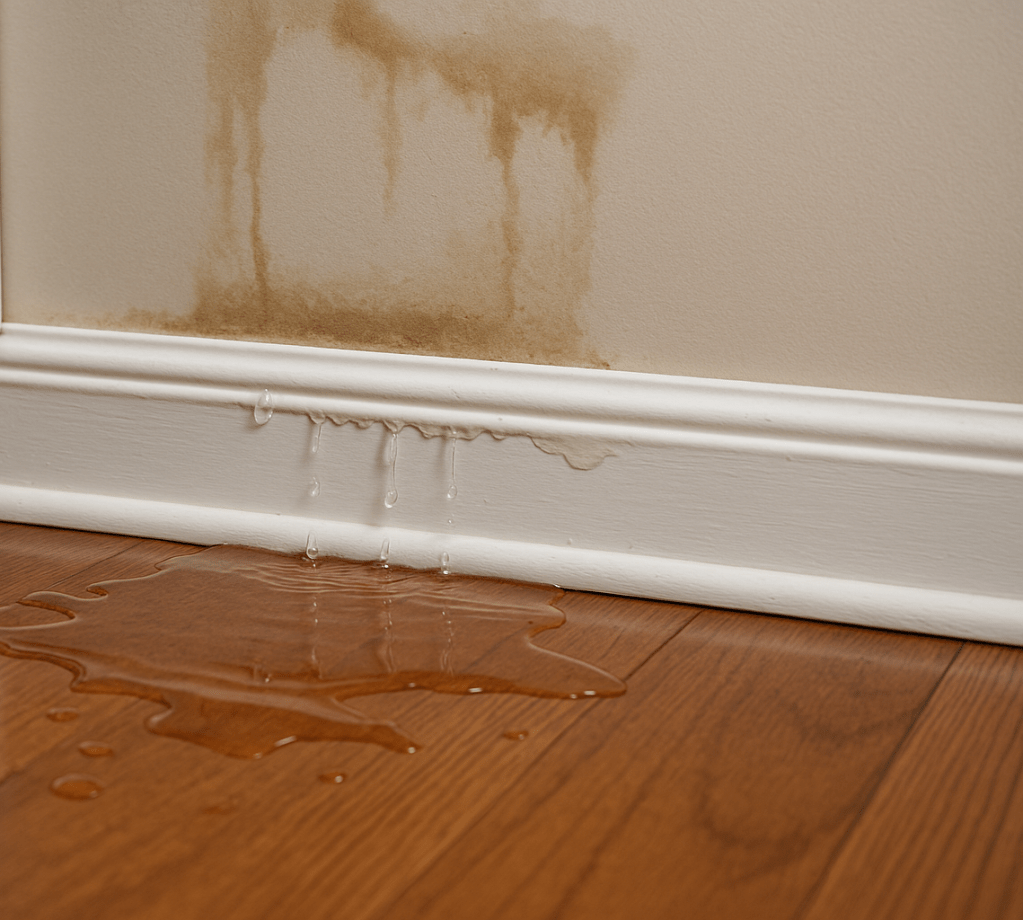
Most homeowners expect major storms or burst pipes to cause water damage — but the truth is, many of the most expensive losses come from small, hidden issues that go unnoticed until it’s too late. After helping countless families navigate insurance claims, I’ve seen firsthand how minor leaks turn into major repairs when early warning signs get ignored. Below are 14 commonly overlooked areas inside every home where water damage starts quietly, spreads quickly, and becomes costly fast.
1. Under-Sink Plumbing
The space beneath your kitchen or bathroom sink hides slow drips that can rot wood, grow mold, and weaken flooring long before anyone notices. Regularly check for moisture, corrosion, and loose fittings.
2. Refrigerator Water Lines
The thin hose behind your fridge can crack or disconnect, creating puddles that slowly seep into walls or cabinets. If you have an ice maker, inspect the line at least twice a year.
3. Water Heater Base
A leaking water heater typically starts with a slow drip. If the base or surrounding floor feels damp or rusty, it’s a sign the tank is wearing down and may soon fail entirely.
4. Washing Machine Hoses
Old or brittle hoses are one of the leading causes of sudden indoor flooding. Swap rubber hoses for braided steel and always check connections before laundry day.
5. Toilet Seals
A broken wax ring or loose bolts around the base of a toilet lead to leaks that ruin subflooring. If the toilet feels wobbly or you see discoloration around the base, it needs immediate attention.
6. Around Windowsills
If rainwater pools near windows, it can leak into the wall framing—leading to mold and structural rot. Look for peeling paint, soft wood, or warped trim.
7. Air Conditioner Drain Pans
When condensation pans overflow or drain lines clog, water starts dripping into ceilings or walls. Annual HVAC maintenance is essential.
8. Shower Tile Grout
Cracked grout or missing caulk allows water to slip behind tiles and damage the drywall or studs beneath. Resealing your shower prevents long-term structural issues.
9. Attic Roof Penetrations
Chimneys, vents, and satellite dish mounts are weak points where rain can seep inside. If you see staining on attic joists or insulation, there’s likely a leak forming.
10. Gutter Downspouts
Downspouts that don’t drain far enough away from the home cause soil erosion and foundation leaks. Water pooling around the base of your home is an early warning.
11. Exterior Faucets
Hose bibs that freeze, crack, or loosen can leak directly into the wall cavity. Checking them seasonally helps prevent interior damage.
12. Crawl Spaces
Standing water in a crawl space often signals plumbing leaks, poor drainage, or foundation issues. It’s easy to miss unless you inspect regularly.
13. Dishwasher Seals
Faulty gaskets around the door allow water to trickle out during cycles. Over time, this can warp cabinets and flooring.
14. Roof Edges and Flashing
Even a small gap in flashing invites water to run behind siding or into the attic. Shingle edges, valleys, and skylights deserve a close look after storms.
Why Regular Checks Matter
Many insurance claims I’ve helped customers file could have been avoided with early detection. Water damage often starts silently, and by the time it becomes visible, the repair cost can be five to ten times higher than addressing the initial issue. Being proactive protects both your home and your wallet — and ensures you’re not caught off guard when filing a claim.
Need Expert Help or Want a Quote?
If you want a professional review of your home insurance options — especially coverage that protects you from unexpected water damage — you can reach me directly here:
👉 quote.buchananmaldonado.com
I’m always here to help homeowners stay protected, informed, and prepared.
 Buchanan Maldonado